Our projects
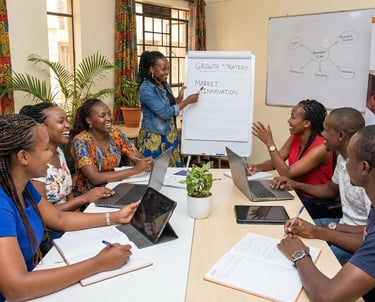
Entrepreneurship Training
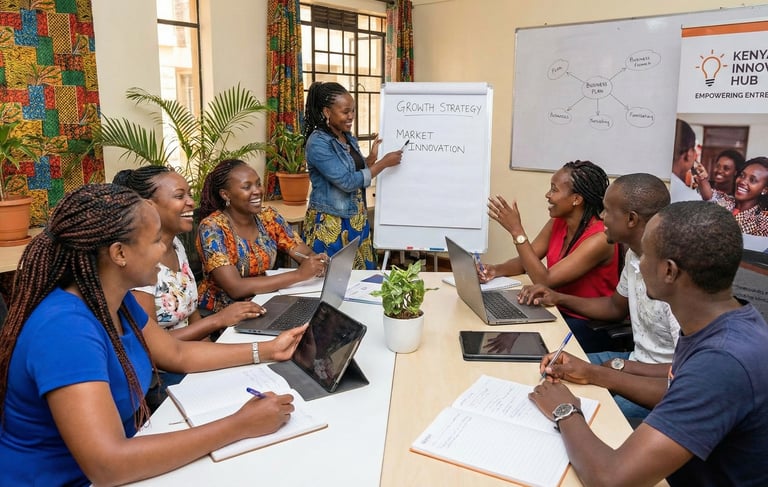
CEST delivers the internationally recognised SIYB program, equipping entrepreneurs with skills in business planning, marketing, financial management, and operations. The interactive training enables participants to turn ideas into sustainable businesses.
In Kenya, 80% of businesses are MSMEs, yet 46% fail within the first year due to limited skills. SIYB empowers marginalized individuals—especially women and youth—to generate income, create jobs, and contribute to community growth.
SDG Alignment: SDG 1, SDG 8, SDG 10
Support: Sponsor training fees or materials, offer mentorship, partner on business development
Agribusiness & Agricultural Value Chain Development
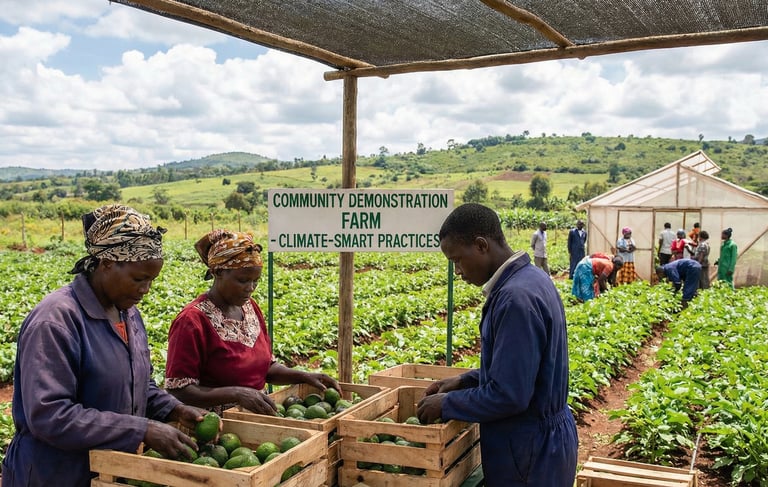
CEST trains farmers and local enterprises in modern farming, climate-smart practices, value addition, packaging, and market access. Demonstration farms and financial guidance help participants increase yields and profits.
Smallholder farmers often lose up to 40% of produce post-harvest. This program boosts incomes by 30–50%, improves food security, and strengthens rural economies while empowering women and youth.

Climate Change & Environmental Sustainability Training
CEST equips communities with climate-smart agriculture skills, renewable energy adoption, water management, and tree planting initiatives. Participants learn seedling germination, indigenous tree planting, and ecosystem restoration.
Kenya loses 12,000 hectares of forest annually, and droughts affect 3.5 million people. Training builds resilience, protects resources, and promotes sustainable livelihoods.
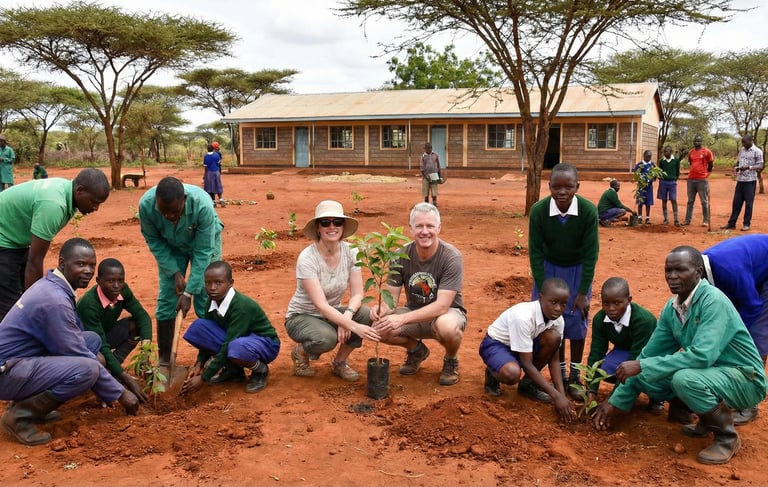
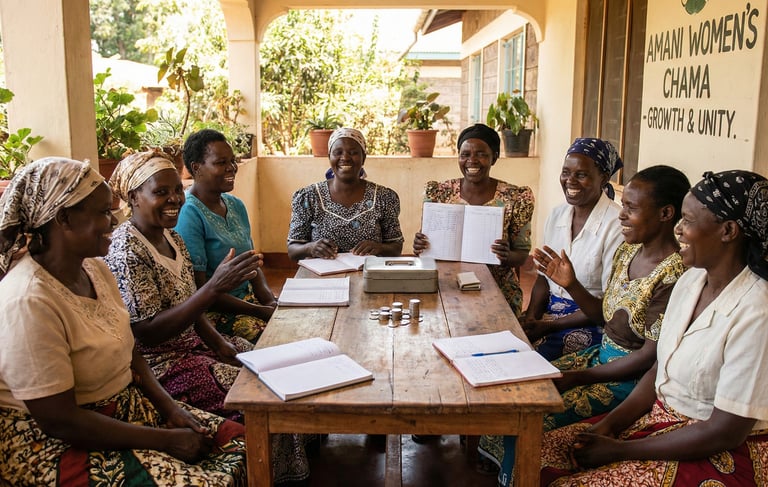
Table Banking
CEST facilitates table banking groups where members save collectively, lend to each other, and invest in small enterprises. Training in financial literacy and record-keeping ensures sustainability.
Table banking increases household income by an average of 35% within the first year and empowers women and youth to gain financial independence and grow businesses.
Water Project Development
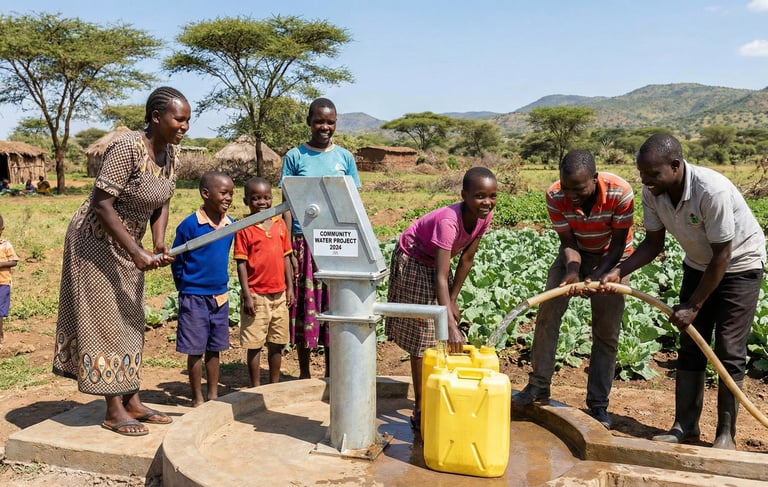
CEST implements community water projects including boreholes, wells, rainwater harvesting, and irrigation solutions. Communities are trained in water management and maintenance to ensure long-term access.
Water scarcity affects over 4 million Kenyans and limits agriculture and health. Reliable water access improves crop yields by up to 40% and reduces water-borne illnesses by 30%, transforming livelihoods.